

Sri Lanka, with its diverse landscapes and rich biodiversity, is a year-round destination for wildlife enthusiasts. However, the timing of your visit can significantly impact your safari experience. The island’s tropical climate, seasonal variations, and migratory patterns of animals play a crucial role in determining the best time to explore its national parks and wildlife reserves. Here’s a comprehensive guide to help you plan your trip for an unforgettable wildlife safari in Sri Lanka.
Understanding Sri Lanka’s Climate
Sri Lanka has a tropical climate with two monsoon seasons that affect different parts of the country at different times of the year. These monsoons influence the dry and wet seasons, which in turn affect wildlife behavior and accessibility to national parks.
Dry Season (December to March):
- The dry season is ideal for safaris in the southern and western regions of Sri Lanka, including Yala National Park, Udawalawe National Park, and Sinharaja Rainforest.
- During this period, water sources become scarce, forcing animals to gather around lakes, reservoirs, and watering holes, making them easier to spot.
Inter-Monsoon Seasons (April to May & October to November):
- These transitional periods bring short bursts of rain and are less predictable. While some parks may remain accessible, others might experience temporary closures due to flooding or poor road conditions.
Wet Season (May to September in the South; November to February in the North):
- The wet season varies by region. For example, Yala National Park in the southeast experiences heavy rains during this time, while Wilpattu National Park in the northwest becomes more accessible.
- Wet weather can make safaris challenging but also offers lush greenery and fewer tourists.
Best Time for Each National Park
1. Yala National Park
- Best Time to Visit: February to June
Yala is most popular during the dry season when water sources dwindle, concentrating wildlife around key areas like waterholes and lagoons. This increases your chances of spotting leopards, elephants, and other animals. Avoid visiting from September to January, as heavy rains can lead to park closures.
2. Udawalawe National Park
- Best Time to Visit: Year-Round, but June to September is Ideal
Udawalawe remains accessible throughout the year, thanks to its relatively consistent weather. However, the dry season (June to September) is particularly rewarding, as large herds of elephants congregate near the reservoir.
3. Wilpattu National Park
- Best Time to Visit: February to October
Located in the northwest, Wilpattu is best visited during the dry months when the park’s natural lakes (“villus”) attract wildlife. The wet season (November to January) can make roads muddy and difficult to navigate.
4. Minneriya National Park
- Best Time to Visit: July to September (Great Elephant Gathering)
If you want to witness the iconic “Great Elephant Gathering,” plan your visit between July and September. During these months, hundreds of elephants gather around Minneriya Tank, creating one of the most spectacular wildlife spectacles in Asia.
5. Horton Plains National Park
- Best Time to Visit: December to April
The central highlands, where Horton Plains is located, experience cooler temperatures and less rainfall during these months. Early morning hikes offer clear views of World’s End and better opportunities to spot endemic birds and mammals.
Seasonal Highlights for Wildlife Safaris
Leopard Spotting
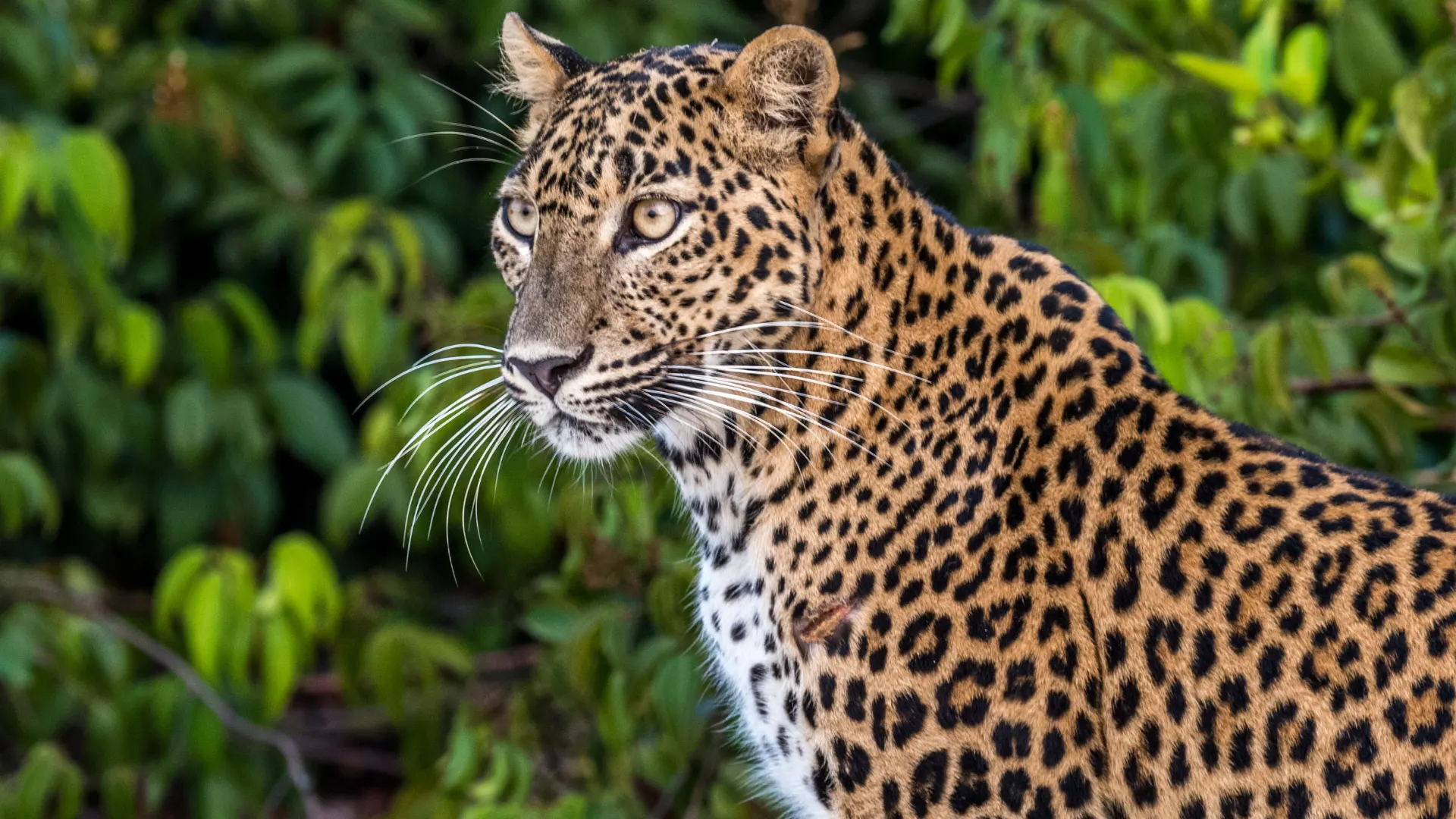
If seeing leopards is on your bucket list, head to Yala or Wilpattu during their respective dry seasons. Leopards are more active during this time, and the sparse vegetation improves visibility.
Elephant Encounters
For elephant sightings, Minneriya (July to September) and Udawalawe (June to September) are top choices. Both parks offer incredible opportunities to observe these gentle giants up close.
Birdwatching
Sri Lanka is a paradise for birdwatchers, especially during the migratory season from October to April. Bundala National Park and Kumana National Park are excellent spots to see both resident and migratory birds, including flamingos, eagles, and kingfishers.
Whale Watching
While not part of a traditional safari, whale watching off the coast of Mirissa (November to April) complements a wildlife-focused itinerary. Blue whales, sperm whales, and dolphins are commonly sighted during this period.
Tips for Planning Your Safari Trip
Book in Advance:
Popular parks like Yala and Udawalawe can get crowded during peak seasons. Reserve your accommodation and safari permits well ahead of time to avoid last-minute hassles.Choose the Right Time of Day:
Early morning (6 AM to 9 AM) and late afternoon (3 PM to 6 PM) are the best times for wildlife sightings, as animals are most active during these hours.Pack Accordingly:
Bring lightweight clothing, sunscreen, a hat, and insect repellent for daytime safaris. For early mornings in higher altitudes like Horton Plains, pack warm layers to combat the chill.Hire a Knowledgeable Guide:
A skilled guide can enhance your safari experience by helping you locate elusive animals and providing insights into the ecosystem.Be Patient and Respectful:
Wildlife sightings require patience and respect for the animals’ natural habitat. Follow park rules and maintain a safe distance from wildlife.
Conclusion: Timing is Everything
The best time to visit Sri Lanka for a wildlife safari depends on your preferences and the specific parks you wish to explore. Whether you’re chasing leopards in Yala, marveling at the Great Elephant Gathering in Minneriya, or trekking through the misty trails of Horton Plains, careful planning ensures a memorable adventure.
By aligning your trip with the optimal seasons for each park, you’ll maximize your chances of witnessing Sri Lanka’s incredible biodiversity in all its glory. So pack your binoculars, lace up your boots, and get ready to embark on the ultimate wildlife journey in this enchanting island nation!
